How Mock Tests Can Help You Pass Your Exams
This article explains what a mock test is, how it boosts your chances of passing on your first try, and why it matters for real exam success.
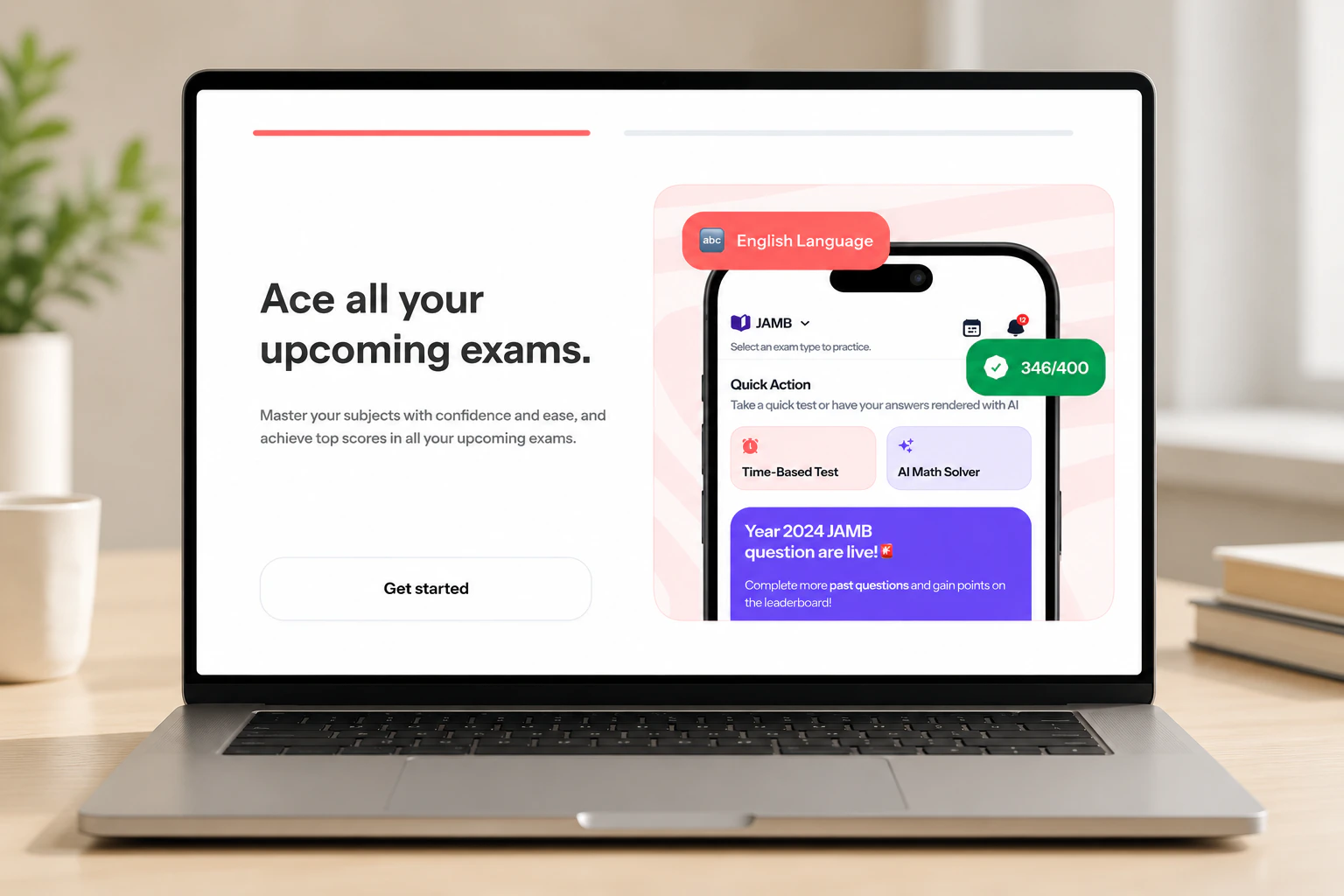
Every year, millions of students walk into examination halls carrying months of preparation and yet, a surprising number of them stumble not because they didn't know the material, but because they weren't ready for the experience of the exam itself. Anxiety, poor time management, unfamiliarity with question patterns, and simple exam-day panic can undo weeks of hard study. This is where mock tests come in. Far from being just another item on a study checklist, mock tests are one of the most powerful tools a student can use to bridge the gap between knowing the material and performing well under real exam conditions. This article explores what mock tests are, why they matter, and exactly how they can help you walk into your exam and pass it on the very first attempt.
What has changed dramatically in recent years is accessibility. With the rise of online learning platforms, ed-tech apps, and digital question banks, mock tests are no longer limited to what a classroom teacher can photocopy. Students today can access thousands of full-length mock exams, subject-wise quizzes, and adaptive practice tests that mimic real exam conditions almost perfectly — complete with timers, negative marking, and instant performance analytics. This shift has turned mock testing from a helpful extra into an essential part of any serious exam preparation strategy.
What Is a Mock Test?
A mock test is a simulated version of the actual exam, designed to closely resemble the real thing in terms of format, difficulty, timing, and structure. Unlike casual practice questions or textbook exercises, a mock test is meant to be taken under conditions that mirror the actual exam as closely as possible — the same number of questions, the same time limit, the same marking scheme, and ideally, a similarly quiet and focused environment.
Mock tests can take several forms:
- Full-length mock exams that replicate the entire exam from start to finish
- Sectional tests that focus on one subject or topic area at a time
- Previous years' papers used as mock tests to understand real exam patterns
- Adaptive online tests that adjust question difficulty based on your performance
- Timed quizzes for quick, focused practice on specific concepts
The defining feature of any mock test is that it's a rehearsal — a low-stakes opportunity to experience the high-stakes exam before it actually counts.
How Mock Tests Help You Pass on the First Try
1. They Reveal What You Actually Know
It's easy to feel confident about a subject after reading notes or watching lecture videos, but recognition is not the same as recall. Mock tests force you to retrieve information actively, under pressure, without the safety net of open notes. This often exposes gaps in understanding that passive studying hides and it's far better to discover those gaps during a practice test than during the real exam.
2. They Build Real Time-Management Skills
One of the most common reasons students lose marks isn't lack of knowledge it's running out of time. Mock tests train you to pace yourself: how long to spend on easy questions, when to skip a difficult one and return later, and how to leave enough time for review. This skill can only be developed through repeated practice under timed conditions.
3. They Reduce Exam Anxiety
A significant part of exam stress comes from fear of the unknown — unfamiliar question formats, an unfamiliar environment, or simply not knowing what to expect. By taking multiple mock tests, the exam stops feeling like an unpredictable event and starts feeling like a routine you've already done dozens of times. This familiarity calms nerves and helps students think more clearly when it matters most.
4. They Improve Accuracy and Reduce Careless Mistakes
Repeated practice under exam-like pressure trains your brain to slow down at the right moments, read questions more carefully, and double-check answers efficiently. Many students find that their accuracy improves significantly after just a handful of mock tests, simply because they've learned to recognize their own common mistakes.
5. They Provide Data-Driven Feedback
Most modern mock tests come with detailed performance reports — showing which topics you're weak in, how your speed compares to average, and where you're losing marks. This turns studying from a guessing game into a targeted strategy: instead of re-reading everything, you can focus your remaining time on the specific areas that need the most improvement.
6. They Simulate the Real Exam Environment
Sitting in silence, working through a fixed number of questions in a fixed amount of time, without distractions — this is a skill in itself. Mock tests taken under realistic conditions (no phone, strict timing, no interruptions) train your focus and stamina, especially for long exams that require sustained concentration for hours.
7. They Build Confidence Through Repetition
Confidence isn't built by hoping you'll do well — it's built by proving to yourself, again and again, that you can. Each mock test you complete, especially as your scores improve, reinforces a simple but powerful belief: "I've done this before, and I can do it again." That mindset alone can make the difference between a student who freezes under pressure and one who performs at their best.
8. They Help You Master the Art of Strategic Guessing
In many exams, especially those with negative marking, knowing when to attempt a question you're unsure of and when to skip it can be just as important as knowing the right answer. Mock tests give you the repeated exposure needed to develop this judgment. Over time, you learn to recognize the difference between an "educated guess" worth taking and a risky gamble that could cost you marks, a skill that simply can't be learned from reading textbooks alone.
9. They Teach You to Handle the Unexpected
Real exams sometimes throw curveballs — a confusing question, a technical glitch in an online test, an unusually difficult section, or even just an off day. Mock tests, especially when taken regularly across different platforms and formats, expose you to this unpredictability in a safe setting. Learning to stay composed and keep moving forward when something doesn't go as planned is a skill mock tests quietly build with every attempt.
10. They Sharpen Your Understanding of Question Patterns
Every exam has its own personality — the way it phrases questions, the traps it likes to set, the topics it tends to emphasize. Mock tests, particularly those based on previous years' papers, help you become familiar with these recurring patterns. This pattern recognition allows you to read a question and quickly understand what it's really asking, rather than being thrown off by unfamiliar phrasing on exam day.
11. They Encourage Consistent, Structured Study Habits
Committing to regular mock tests naturally creates a rhythm to your preparation. Instead of studying in a scattered, last-minute way, students who schedule mock tests weekly or biweekly are forced to organize their revision around checkpoints. This structure keeps procrastination in check and ensures steady, measurable progress in the weeks leading up to the actual exam.
12. They Help You Track Long-Term Progress
A single test score tells you very little on its own, but a series of mock test scores over weeks or months tells a story. You can see whether your preparation is genuinely working, whether specific strategies are paying off, and whether you're on track to hit your target score. This long-term visibility helps you make informed decisions about where to invest your remaining study time before the real exam.
Importance of Mock Tests
Beyond the specific ways mock tests improve exam performance, it's worth stepping back and looking at why they matter so much in the bigger picture of a student's preparation journey. Here's a quick-reference list of their core importance:
- Bridges theory and practice — turns passive knowledge into active, exam-ready skill
- Builds exam stamina — trains you to stay focused and sharp for the full duration of a long exam
- Lowers the stakes of failure — mistakes made in a mock test cost nothing, but teach everything
- Creates a feedback loop — every mock test gives you information you can act on before the next one
- Levels the playing field — students without access to expensive coaching can still practice like top performers
- Improves self-awareness — helps you understand your own strengths, weaknesses, and working style under pressure
- Motivates continued effort — visible improvement across mock tests keeps students motivated to keep studying
- Prepares you mentally, not just academically — builds the composure and focus needed on exam day itself
- Saves time — helps you avoid wasting hours studying topics you've already mastered
- Increases your chances of success on the first attempt — ultimately, this is the goal all the other benefits serve
In short, the importance of mock tests goes beyond simply "practicing questions." They shape how you think, how you manage pressure, and how efficiently you prepare — all of which directly affect whether you pass on your first try or find yourself needing a second attempt.
In Summary
Mock tests are far more than a study formality they are a strategic tool that closes the gap between preparation and performance. They reveal blind spots in your knowledge, sharpen your time-management skills, reduce anxiety through familiarity, improve accuracy, and give you the kind of data-driven insight that no textbook can offer. Just as athletes and pilots wouldn't dream of skipping practice runs before the real event, students who want to pass their exams on the first try should treat mock tests as a non-negotiable part of their preparation.
The path to exam success isn't just about how much you study it's about how well you've rehearsed performing under real conditions. Make mock tests a regular part of your routine, review your results honestly, and adjust your preparation accordingly. Do this consistently, and you won't just be hoping to pass your exam you'll walk in already knowing you're ready.
To make your preparation easier and more effective, download the EPass App on the Google Playstore or the Apple App Store and start practicing with realistic CBT questions, mock exams, and study resources designed to help you excel in NECO & WAEC.